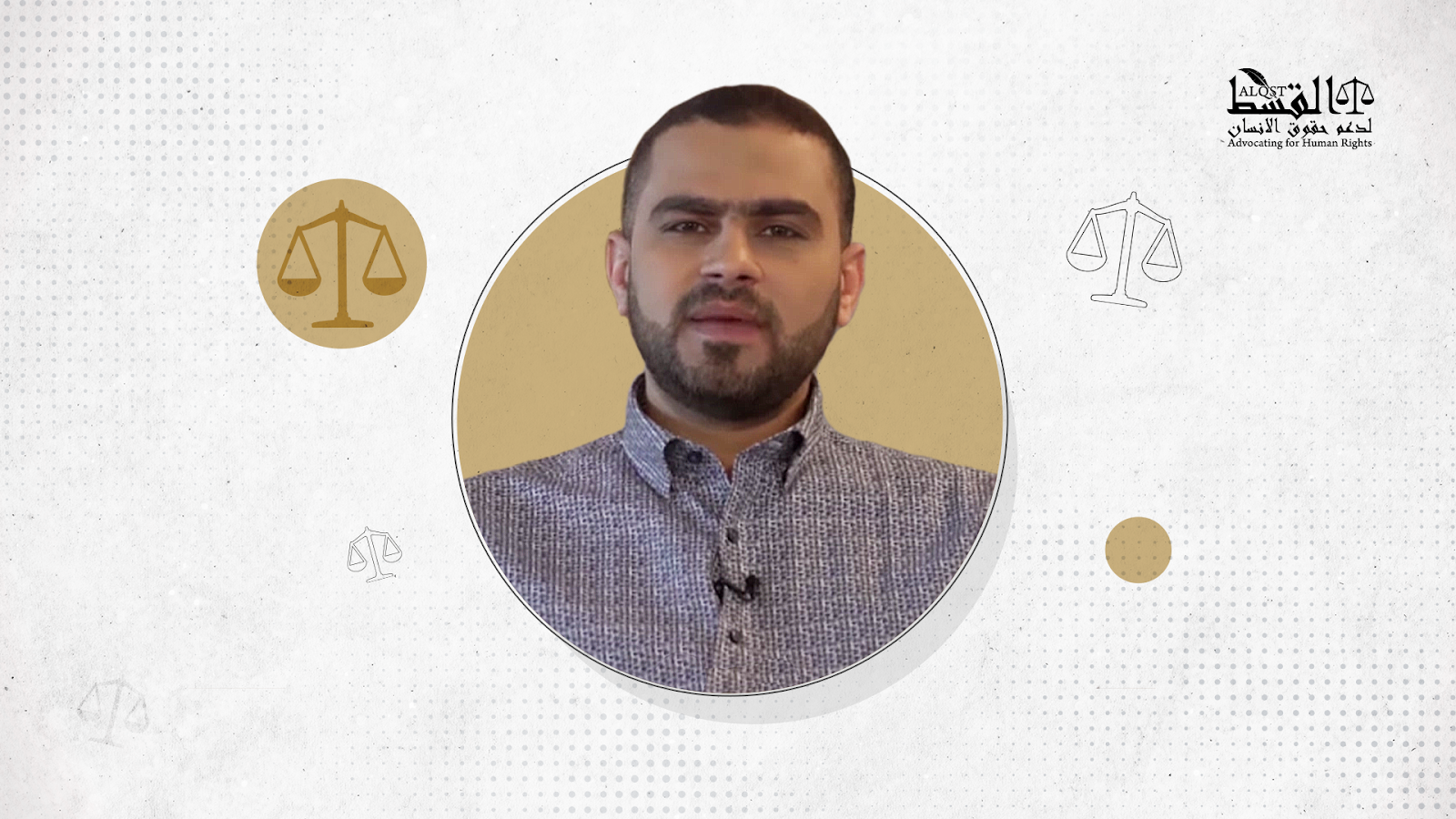
ALQST has learned that Osama al-Hasani is still in prison in Morocco, following a Moroccan court’s decision on 10 March 2021 to hand him over to the Saudi authorities. Meanwhile, Moroccan media are reporting that he was extradited on Saturday 13 March.
On Friday, 12 March, the UN Committee against Torture requested Morocco not to deport al-Hasani, a dual Saudi-Australian citizen, pending consideration of their complaint against his extradition. On 13 March, the Moroccan authorities responded, stating that al-Hasani had been extradited to Saudi Arabia at 02:45 that morning, “before they had received the UN request not to extradite him”; this despite the Committee’s letter having been sent on Friday, a working day.
The Moroccan authorities’ handling of the case reflects the pressure exerted on them by the Saudi authorities, who had issued an extradition warrant against al-Hasani via Interpol. He was then tried in Morocco, with what were claimed to be guarantees of due process, such as access to a lawyer during his time in detention.
The verdict against al-Hasani was nevertheless issued and ratified by decree in a single day. The news of his extradition was then circulated at the start of the weekend, making it difficult for his lawyer, family, government officials and diplomats to verify the news or get updates on the case.
Al-Hasani was arrested on arrival in Morocco on 8 February 2021 and brought to trial, allegedly in relation to an extradition request from the Saudi authorities, who had filed an Interpol notice against him. In recent years, the Saudi authorities have used violent measures to silence dissidents abroad, as was seen in the murder of Saudi journalist Jamal Khashoggi.
It is likely that al-Hasani would be subjected to grave abuses in Saudi Arabia, where enforced disappearance and torture are widely and systematically practised, and judicial proceedings are marred by numerous violations of international fair trial guarantees.
Given the serious and probable risks to al-Hasani’s personal safety should he be returned to Saudi Arabia, ALQST calls on the Moroccan authorities to halt his extradition immediately, and calls on the Australian authorities to intervene to protect its citizen.