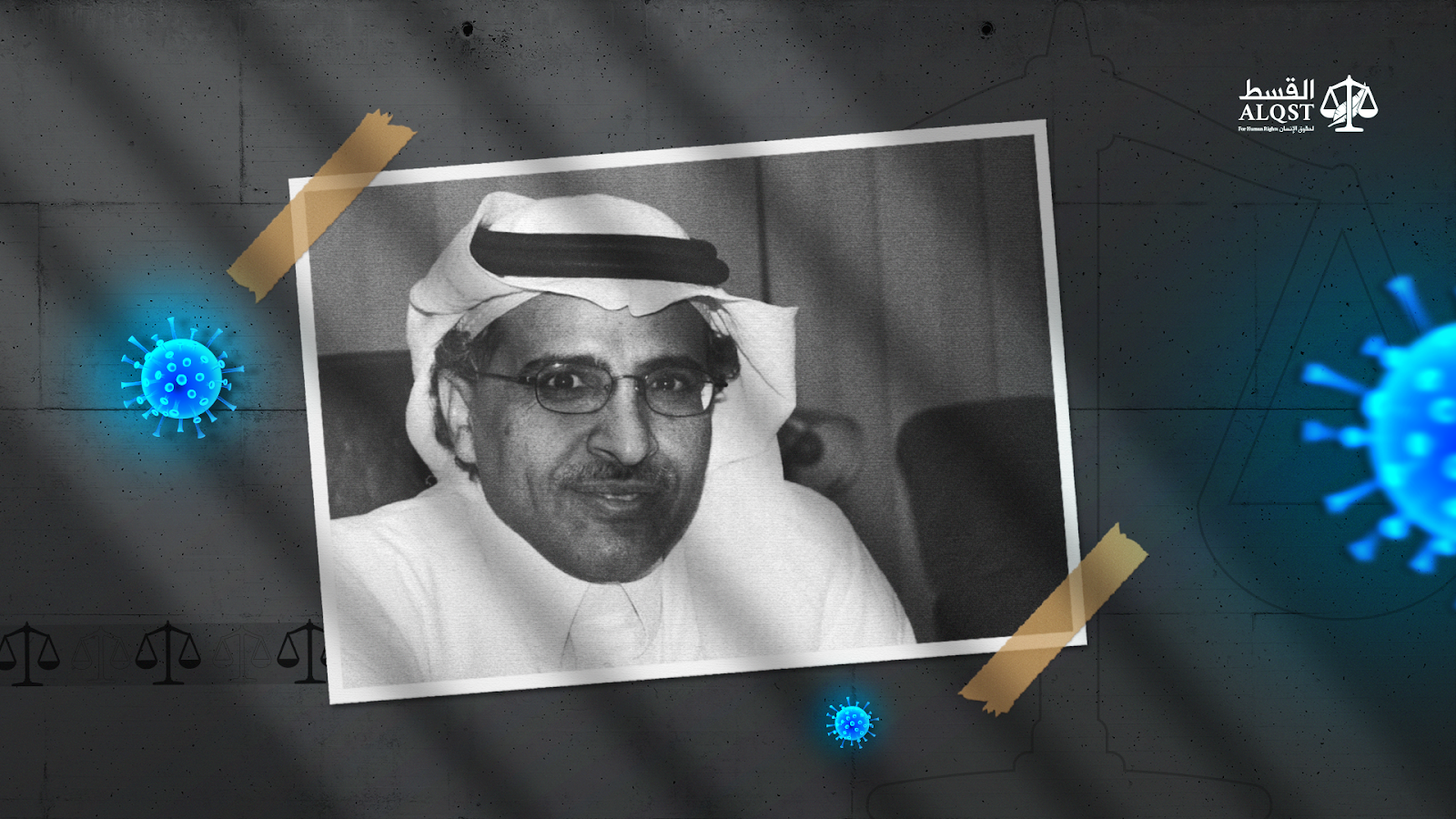
Imprisoned human rights defender Mohammed al-Qahtani has become infected with COVID-19. He has been denied any contact with the outside world since 7 April 2021, and concern is mounting for his health and wellbeing.
Cases of COVID-19 have been spreading in the same ward as al-Qahtani in al-Ha’ir Prison, near Riyadh, where a number of other prisoners of conscience are held.
The COVID-19 pandemic has highlighted the vulnerability of detainees in Saudi prisons, where overcrowding and insanitary conditions put the health and safety of inmates at serious risk, yet the authorities have failed to take clear measures in mitigation, such as releasing the most vulnerable prisoners and those posing no danger to the public, including prisoners of conscience.
Al-Qahtani, a co-founder of the Saudi Civil and Political Rights Association (ACPRA), is serving a 10-year prison sentence on charges relating to his peaceful human rights work. He has faced repeated harassment and ill-treatment in prison, including periods in solitary confinement and denial of family contact, and has gone on hunger strike a number of times in a bid to secure his basic rights.
His ill-treatment is part of a pattern of harassment to which the majority of prisoners of conscience are subjected in Saudi prisons. Between 6 and 14 March 2021, al-Qahtani and more than 30 other prisoners of conscience undertook a hunger strike in protest over harassment in al-Ha’ir Prison, including being held in the same ward as psychiatric detainees.
ALQST calls on the Saudi authorities to allow Mohammed al-Qahtani contact with the outside world and to provide him with the necessary medical care; to uphold the right of access to healthcare for all those held in prison; and to release al-Qahtani immediately and unconditionally, along with all other prisoners of conscience.