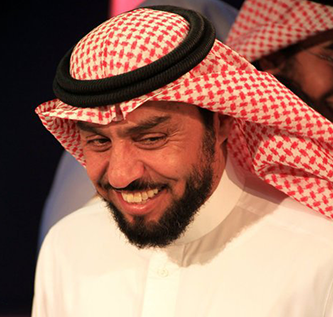
The Specialised Criminal Court in Riyadh has sentenced Dr Mohammed al-Hudaif to five years in prison followed by a further five-year travel ban and a ban on social media. Dr Hudaif was arrested on March 19, 2016 at Riyadh’s King Khaled International Airport on his way home from Turkey.
The prosecution listed 42 charges against Hudaif, most of them vague accusations frequently made against detainees, and May 2 was set as the date for a verdict to be handed down.
After some discussion the court focused on just four charges, and the date for sentencing was postponed to May 29, when Hudaif was convicted in closed session of the following:
- destroying national cohesion;
- insulting neighbouring states (the UAE);
- publishing writings hostile to state policy; and
- communicating with members of bodies hostile to the state (the Muslim Brotherhood).
ALQST maintains that Hudaif’s sentence is legally invalid and that he has been convicted for legitimate and non-criminal activities.
The charges against him are vague and legally invalid, and the authorities’ use of the Specialised Criminal Court and Counter-terrorism Law in cases of freedom of speech is a deliberate mistake on their part. ALQST calls for Dr Hudaif to be released immediately and unconditionally.